
"Ethiopia coffee system"
2000 article(s) found

Ethiopia Gedeo Yegasuefei | Chelba Chaloba G3 hand flushing parameters of dried beans?
Professional coffee knowledge exchange for more information about coffee beans, please follow the coffee workshop (Wechat official account cafe_style) Ethiopia Gedeo Yegasuefei | Chelba Chaloba G3 hand washing parameters of dried beans? Ethiopia is the country where coffee was first discovered. It is still the most important producer and the best country in terms of coffee quality and output. Most of the coffee is traditional Allah.
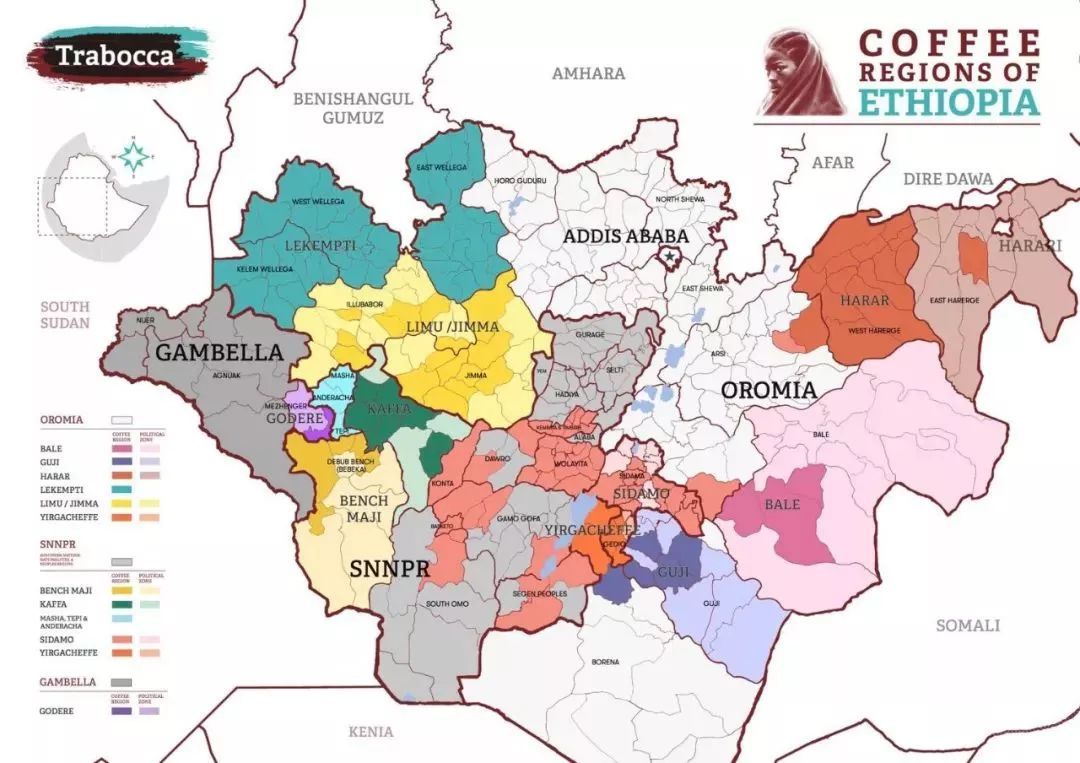
What is the Red Cherry Project? The most accurate coffee map of Ethiopia!
Professional coffee knowledge exchange more coffee bean information Please follow the coffee workshop (Wechat official account cafe_style) We often hear about the red cherry project, Ethiopia is the birthplace of coffee beans, the development rate of local tree species is very low, so we usually call Ethiopian tree species native species, because we have no idea how many coffee trees this piece of land is made of.

The story of the four major cultivation systems of Ethiopian coffee, Xueke Omar, imported coffee
Ethiopia is located between 3 and 14 degrees north latitude, and the coffee tree cultivation area is close to 600,000 hectares. There are two rainy seasons in the south and east of the country and only one rainy season in the west. The distribution of rainy seasons is different, so that Ethiopia has coffee harvest all year round. Coffee grows between 550 and 2,750 meters above sea level. The soil in the west and south belongs to volcanic rocks and is rich in minerals.

Grading and quality Control system of Ethiopian Coffee
In Ethiopia, the grading and quality control system of coffee is divided into three levels: producer, regional and national. All coffee is inspected by local inspection agencies before leaving the country of origin, and then re-tested at the coffee inspection and grading centers in Addis and Diredawa to determine its quality grade. Coffee is graded before auction and sale, for all involved in production, acquisition,
The story of the four major cultivation systems of Ethiopian coffee, Shake Omar, imported coffee
Ethiopia is located between three and fourteen degrees north latitude, and the planting area of coffee trees is nearly 600000 hectares. There are two rainy seasons a year in the south and east of the country, while there is only one rainy season in the west. The distribution of the rainy season is different, so coffee is harvested in Ethiopia all the year round. Coffee grows between 550 and 2750 meters above sea level. The soils in the west and south belong to volcanic rocks and are rich in minerals.

Introduction to the Gedeo producing area of Yega, Ethiopia. How about the flavor of dried fruit coffee beans on the Yega Xuefei tree
Professional coffee knowledge exchange more coffee bean information please follow the coffee workshop (Wechat official account cafe_style) this is not just the introduction of a new product, with the debut of this coffee, we will officially explore the next generation of Ethiopian coffee with you. Among several trends in the development of Ethiopian boutique coffee, we had a relationship with large coffee in the cup test the year before last.

Ethiopian Coffee Flavor description Taste characteristics Variety Price Brand Fine Coffee
In December 1994, the Constitution of the Federal Democratic Republic of Ethiopia was formulated. According to the Constitution, Ethiopia will implement a federal system and a parliamentary cabinet system after the general election for a term of five years. After the national election in May 1995, the Federal Democratic Republic of Ethiopia was established on August 22, and Meles became prime minister in her capacity as chairman of the majority party of the people's House of Representatives. On May 14, 2000, Ethiopia held a national meeting

The development trend of coffee in Ethiopia has changed from cooperative model to single boutique small-scale farmers.
Ethiopia Yega Xuefei producing area has become so famous that even Xiao 7's coffee has begun to use it. The details should not be introduced by the editor. However, there is a new trend in the Yega Sheffield system, that is, the development of a single small farmer and a single agricultural product. Let's share this new trend in Ethiopia with the new direction of the Waka Cooperative. This new hair

Flavor characteristics of coffee producing area information of addis ketema Adis coffee in Yechuefi, Ethiopia
The exchange of professional baristas please follow the coffee workshop (Wechat official account cafe_style) Ethiopia is the country where coffee was first discovered, and it is still the most important producing country and the best in terms of coffee quality and output. Most coffee is the traditional Arabica species, with an annual output of about 350000 tons and more than 70% exported to countries around the world. About 15 million people in the country are engaged in coffee.

Ethiopia Sidamo / Rainforest Alliance Mormora Moira Plantation Water washing Bean Red Cherry Project
Professional coffee knowledge exchange more coffee bean information please follow the coffee workshop (Wechat official account cafe_style) Ethiopia Sidamo | Rainforest Alliance Mormora Moira Plantation Water washing beans Red Cherry Project G1 flavor? Ethiopia is the country where coffee was first discovered, and it is still the most important producer and the best country in terms of coffee quality and output.

Introduction to the cultivation of coffee beans in Ethiopia _ how to buy coffee beans in Ethiopia
Professional coffee knowledge exchange more coffee bean information please follow the coffee workshop (Wechat official account cafe_style) Ethiopia is located between 3 and 14 degrees north latitude, coffee planting area of nearly 600000 hectares. There are two rainy seasons a year in the south and east of the country, while there is only one rainy season in the west. The distribution of the rainy season is different, so coffee is harvested in Ethiopia all the year round. Coffee

Ethiopian Coffee | recommendation of individual Coffee beans-Honey-treated Coffee | Guji Sukukuto Manor
Professional coffee knowledge exchange more coffee bean information please follow the coffee workshop (Wechat official account cafe_style) Ethiopian coffee | individual coffee bean recommendation-tanning cherry Ethiopia SFP Suke Quto/Tade GG BunaSadi Honey G1 by Tesfaye Bekele Ethiopia Guji G1 Sukuto Manor Bonasati trio honey treatment
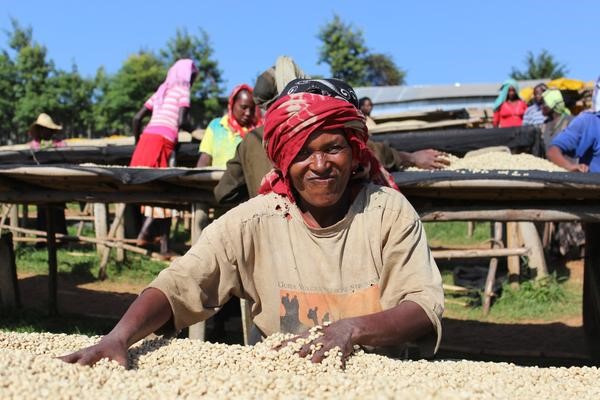
Coffee producing areas in Ethiopia, a new trend of boutique development from cooperatives to single small farmers
Professional coffee knowledge exchange more coffee bean information please follow the coffee workshop (Wechat official account cafe_style) Ethiopia Yega Xuefei producing area reputation has become so popular, even Xiao 7 coffee has begun to use it, the details should not be introduced by the editor. However, there is a new trend in the Yega Xuefei system, that is, the development of a single small farmer and a single agricultural product.
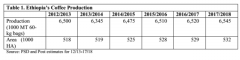
Annual report on Ethiopian Coffee 2017
Ethiopia's coffee production is expected to remain at 6.545 million bags in 2017 / 18. The export is expected to be 3.31 million bags. In June this year, in order to stimulate exports, the government plans to reform the coffee marketing and trading system, one of the most anticipated is that coffee will no longer have to go through the Ethiopian Commodity Exchange (ECX) (ECX trading process and system principles are described in the next article.

Ethiopia Idido Misty Valley Fog Valley details coffee flavor description
Professional barista exchanges please follow the coffee workshop (Wechat official account qianjiecoffee) Ethiopia is the country where coffee was first discovered, in terms of coffee quality and output, Ethiopia is still the most important producing country and the best, coffee is mostly the traditional Arabica species, the annual output is about 350000 tons and more than 70% are exported to countries around the world, about 15 million people in the country are engaged in coffee

Ethiopia Sidamoth Estate Coffee Flavor Description Grind Treatment Taste Region Introduction
From a historical point of view, coffee has a great relationship with the history and religious culture of Ethiopia. In ancient times, Ethiopia was called Abyssinia, which was the country of Axum and belonged to the Solomon Dynasty. According to literature records, Hamitic people migrated from Asia Minor to present-day Ethiopia. Semitic merchants from about 7 BC

Ethiopia Sidama coffee beans flavor description processing method Variety characteristics Introduction
The four major cultivation systems are distributed in the following nine major production areas of Ethiopia: Gemma, Sidama, Yegashefi, Hara, Limu, Iruba, Kimbi (Lekanti), Tiebi and Bebeka. Generally speaking, each region has its own flavor, basically, western tiebi, beibeka, iruba and west

The introduction of the nine boutique producing areas in Ethiopia, the parameters of the Lion King hand Chong in Xidamo
Ethiopian name: Ethiopia location: East African Capital: Adis Abba Addis Ababa Religion: Christian main language: Amharic time Zone: GMT+3 Metrology: metric (Metric) currency: bill Birr (1 $20 birr) Agricultural products (export): coffee, flowers, sesame are the main cash crops export port: Djibouti, now

Characteristics of Flavor and Taste of Coffee Manor in Ethiopia
In December 1994, the Constitution of the Federal Democratic Republic of Ethiopia was formulated. According to the Constitution, Ethiopia will implement a federal system and a parliamentary cabinet system after the general election for a term of five years. After the national election in May 1995, the Federal Democratic Republic of Ethiopia was established on August 22, and Meles became prime minister in her capacity as chairman of the majority party of the people's House of Representatives. On May 14, 2000, Ethiopia held a national meeting